The complete English fan's guide to Miami and Hard Rock Stadium for the 2026 tournament: South Beach, Cuban culture, hotels, transport and matchday tips.
Last updated: May 2026
🎫
Matches hosted6 matches · includes an England group fixture
🏟️
StadiumHard Rock Stadium · 65,326 · open-air with innovative canopy
✈️
Nearest airportMiami International (MIA) · 20 min by road
🌡️
June temperatures31 °C avg high · hot, very humid; afternoon thunderstorms daily
🚇
Stadium transitEvent shuttle buses (limited public transit to stadium)
⭐
Best forBeach holidays, nightlife, Latin food and culture
City at a Glance
Miami is not really an American city in the way that Boston or Chicago are. It is a Latin American city that happens to sit in Florida, with a Cuban heart, a Caribbean rhythm and an Atlantic coastline pinned along its eastern edge. The city proper has about 450,000 people but the wider metro pushes 6.2 million across Miami-Dade, Broward and Palm Beach counties — an enormous, low-slung sprawl of palm trees, motorways, canals, art deco hotels, Cuban coffee windows and high-rise condos. The official language might be English but you will hear far more Spanish on the street, in shops, on buses and in restaurants.
The temperature in June will be the first thing that hits you when you step out of the airport. Daily highs around 29-32°C, night-time lows that barely dip below 25°C, humidity that turns even a short walk into a sweat-bath, and reliable afternoon thunderstorms that crash through for an hour and then vanish, leaving the streets steaming. It is not the kind of heat you walk around in — it is the kind you duck between air-conditioned buildings to escape. Pace yourself, hydrate properly, and accept that mid-afternoon is for naps, pools or museums.
What you get in return is one of the most genuinely exciting cities in the world. The architecture in Miami Beach is one of the great concentrations of art deco anywhere. The food, drink and music scene drips with Cuban, Colombian, Venezuelan, Haitian and Argentine influences. The Wynwood Walls have made Miami one of the world's foremost street-art cities. South Beach is properly glamorous, properly tacky and properly fun all at once. England fans get an extra reason to be here: England play Senegal in a Group C match at Hard Rock Stadium, and Miami's enormous Latin American football culture will make the surrounding city absolutely buzz on match days.
The Stadium & Match Day
Hard Rock Stadium sits in Miami Gardens, about fifteen miles north-west of downtown Miami and roughly nineteen miles north of South Beach. It opened in 1987, was extensively renovated in 2016, and has a current capacity of approximately 65,000 for football. The stadium is home to the Miami Dolphins of the NFL and hosts the Miami Open tennis tournament every spring as well as the Formula 1 Miami Grand Prix on a temporary circuit built into the parking complex. The 2016 renovation gave the ground a striking sail-like translucent canopy that shades the seats without enclosing the bowl — essential given the climate.
The single most important practical thing to know is that the Miami Metrorail does not reach the stadium. There is no rail link of any kind. Your options on match day are: drive and park (the stadium has acres of parking but expect heavy traffic and prices of $40-$80), use Uber or Lyft (surge pricing on match days is severe — budget $60-$100 each way from South Beach), or use one of the official FIFA and Hard Rock shuttle services running from downtown, South Beach and Fort Lauderdale. The shuttles are by far the most sensible option for international visitors.
Allow proper time both ways. Florida thunderstorms in June arrive almost daily in the afternoon between 3pm and 6pm, can be torrential, and will turn the stadium parking complex into a slow-moving lake. Bring a small foldable waterproof in your match-day bag. The roof canopy keeps direct rain off the seats but the concourses and approaches will get a soaking.
Inside, the bag policy follows the standard NFL clear-bag rules (clear bags only, A4-envelope size). The stadium is cashless. The food and drink offer leans Florida-Latin — proper Cuban sandwiches, mojitos, Argentine empanadas — and is more varied than most American stadiums. Beer cut-off is usually around the 75th minute. The atmosphere for England v Senegal should be enormous: South Florida has both a large British expat community and one of the biggest Senegalese diasporas in the United States, and both Cuban and Colombian fans tend to adopt the underdog in any African match.
Where to Stay
South Beach (Miami Beach) — $250-$600/night. The classic Miami stay. Art deco hotels lining Collins Avenue and Ocean Drive, white-sand beach a block away, restaurants and bars open until 5am. Lincoln Road is a pedestrianised shopping and dining street. Pros: beach on your doorstep, properly buzzing at night, plenty of hotel options at every price point. Cons: most expensive option, busiest with tourists, longest commute to the stadium (about 45-75 minutes by car or shuttle).
Brickell — $220-$450/night. Miami's downtown financial district, transformed in the last fifteen years into a high-rise neighbourhood of luxury condos, smart hotels, rooftop bars and serious restaurants. Pros: modern hotels, walkable to good restaurants, Metromover and Metrorail access, closer to the stadium than the beach. Cons: less character than older neighbourhoods, gets quieter at weekends.
Wynwood and Midtown — $180-$350/night. The artsy, hip part of central Miami, home to the Wynwood Walls, the Wynwood Brewing Company, dozens of independent galleries and some of the best restaurants in the city. Pros: properly distinctive neighbourhood, walkable nightlife, easy ride-share access. Cons: limited big-name hotels (more boutique and short-term lets), need a car for anything outside the immediate area.
Coral Gables — $200-$400/night. Greener, quieter, more European in feel. Built in the 1920s as a Mediterranean-Revival planned city by developer George Merrick, with proper landscaped boulevards, the historic Biltmore Hotel and the famous Venetian Pool. Pros: beautiful neighbourhood, excellent restaurants, much calmer than South Beach. Cons: not on the beach, needs a car for everything.
Getting Around
Miami's public transport is patchy but the bits that exist are useful. Metrorail is a single overhead line running from Miami International Airport south through downtown to Dadeland — useful for the airport, downtown and Coral Gables. Metromover is a free elevated people-mover loop that covers downtown and Brickell — surprisingly useful for getting around the central business district without melting in the heat. Beyond those, the bus network exists but is slow and not designed for visitors.
For practical purposes you will use a combination of: ride-shares (Uber and Lyft both work normally, expect $15-$35 for most cross-city trips, much more on match days and during major events), a hire car (essential if you plan to do day trips to the Keys or the Everglades), and the Metrorail/Metromover for downtown and airport runs. Driving in Miami is doable but the traffic is heavy, the local style is aggressive, and parking varies wildly in availability and price.
Miami International Airport is about ten miles west of downtown and connects to Metrorail via a short walkway. From there, downtown is fifteen minutes and Brickell is twenty. Most UK fans will fly direct from London or Manchester — BA, Virgin and American all run direct services and the flight is around nine hours. Fort Lauderdale-Hollywood International (FLL), thirty miles north, often has cheaper flights and is a sensible alternative if you are staying in north Miami or Hollywood Beach.
Food & Drink
Versailles (Little Havana) — The cathedral of Miami Cuban food. Open since 1971, almost always full, with mirrored walls, green vinyl booths and elderly Cuban gentlemen arguing politics at the coffee window outside. Order the ropa vieja, a Cuban sandwich, plantains and a cortadito. About $25 a head for a serious meal.
Joe's Stone Crab (South Beach) — A Miami institution since 1913. Stone crab season runs October to May so you may not get the signature dish in June, but the rest of the menu — Florida fish, key lime pie, hash browns — is excellent. No reservations for the dining room; expect a long wait. Their takeaway window is the smart workaround.
La Sandwicherie (South Beach) — A tiny French-style sandwich counter behind a tattoo parlour on 14th Street, open until 5am, serving the best baguette sandwiches in Florida to a queue of clubbers, locals and tourists who have figured out the secret. Pâté, brie, salami, salads. About $12 a sandwich.
Coyo Taco (Wynwood) — Proper Mexican street food in a fun, loud, art-walled room with a secret mezcal bar through a hidden door at the back. The al pastor and the carnitas tacos are excellent. About $15-$20 a head.
El Cristo (Little Havana) — Less famous than Versailles but the food is arguably better, with a quieter dining room and a proper bakery counter for pastelitos and Cuban bread. The lechón asado (roast pork) is the pick.
Things to Do Beyond the Match
South Beach Art Deco District — The mile of Ocean Drive between 5th and 15th Streets, plus the parallel blocks of Collins and Washington Avenues, is the world's largest concentration of art deco architecture. Take the Miami Design Preservation League's morning walking tour for the full story, or just wander with a coffee.
Wynwood Walls — A formerly industrial neighbourhood turned into an open-air street art museum by developer Tony Goldman in the 2000s. The walls themselves require a ticket but the entire surrounding neighbourhood is covered in serious murals you can see for free. Allow a full afternoon.
Little Havana and Calle Ocho — Eighth Street in Little Havana is the cultural heart of Cuban Miami. Domino Park where the abuelos play, the Cuban Memorial Boulevard, the cigar shops, the cafetería windows. Go on a Friday evening for Viernes Culturales street parties.
Pérez Art Museum Miami (PAMM) — Striking Herzog & de Meuron-designed building on the Biscayne Bay waterfront, with strong Latin American and Caribbean art collections. Combine with the adjacent Frost Science Museum for a long museum afternoon.
Vizcaya Museum and Gardens — A 1916 Italian Renaissance-style estate built by industrialist James Deering on Biscayne Bay. The house is beautiful, the formal gardens are even better, and it is a rare bit of Old World architecture in a city of high-rises.
Bayside Marketplace and a Biscayne Bay boat tour — Bayside itself is a touristy waterfront mall but the boat tours that leave from the marina are a brilliant way to see the Miami skyline, the Star Island mansions and the cruise port. Allow about ninety minutes.
Ocean Drive at sunset — Walk south to north along the beach side of Ocean Drive between 7pm and 9pm. The art deco hotels light up in neon, the South Beach posers are out, the cars cruise and rev. Cheesy and brilliant.
Frost Science Museum and Planetarium — Good for a hot afternoon or a family day. The aquarium-style tank in the centre of the building is impressive.
Hidden Gems
Books & Books (Coral Gables and Suniland) — The best independent bookshop in South Florida, with a courtyard café in the Coral Gables location that is a properly civilised place to spend an afternoon out of the heat.
The Standard Spa (Belle Isle) — Even if you are not staying there, the hammam, Turkish bath and bayside infinity pool are available on a day pass and constitute the best mid-afternoon escape from the heat in the city.
Stiltsville — A cluster of houses on stilts sitting in the middle of Biscayne Bay, accessible only by boat. Built in the 1930s and 40s as gambling and fishing shacks, several survive as a peculiar little time capsule. Several tour operators run trips out.
The Bass Museum (South Beach) — Quietly excellent contemporary art museum in a 1930s Mediterranean-Revival building two blocks back from the beach. Properly cool and properly empty.
Day Trips
Key Largo and the Upper Keys (1 hour south) — The first proper island in the Florida Keys chain, accessible by the famous Overseas Highway (US-1). John Pennekamp Coral Reef State Park has glass-bottomed boat trips, snorkelling and kayaking. A relaxing day-trip alternative to a full Keys road trip.
Key West (3.5-4 hours south) — The southernmost point of the continental United States, the home of Hemingway's house, the famous sunset celebration at Mallory Square, and the Duval Street bar crawl. Realistically a two-day trip rather than a single day given the drive, but if you have the time it is one of the great American road trips.
Everglades National Park (1 hour west) — The unique sawgrass and mangrove wetland that covers most of southern Florida. Airboat tours from the Tamiami Trail (US-41) are touristy but properly fun. Shark Valley has a 15-mile loop trail for cycling and walking. Bring serious insect repellent.
Sports Culture
Miami is a properly serious sports town, with the Miami Heat in NBA basketball, the Miami Marlins in Major League Baseball, the Florida Panthers in NHL ice hockey, and the Dolphins in NFL American football. The Heat play downtown at the Kaseya Center; the Marlins play at loanDepot park in Little Havana; the Panthers play at Amerant Bank Arena in Sunrise.
For football specifically, Inter Miami CF plays in MLS at Chase Stadium in Fort Lauderdale, and the addition of Lionel Messi to the squad in 2023 has turned the club into one of the most-watched teams in world football. Match tickets are now extremely expensive and sell out fast, but a Messi-era Inter Miami match remains a remarkable thing to witness if you can get a seat.
Miami's vast Latin American population means football is genuinely the default sport in much of the city — you will see people watching matches in Cuban cafetería windows, Argentine steakhouses and Colombian bakeries all over town. For Premier League and international fixtures, The Playwright Irish Pub on Lincoln Road, The Globe Café and Sandbar Sports Grill in Coconut Grove are the safe bets. Brickell's rooftop bars also tend to show big matches.
Practical Tips for English Fans
Tipping is 18-20% in restaurants, $1-$2 per drink at bars, $1-$2 per bag for hotel porters. Many Miami restaurants automatically add an 18% service charge for parties of six or more — check the bill before adding extra.
Drinking age is 21. Bars and clubs will ID. Carry your passport.
Sales tax in Miami-Dade is 7%, added at the till. Hotel bills add a further resort tax of 6%.
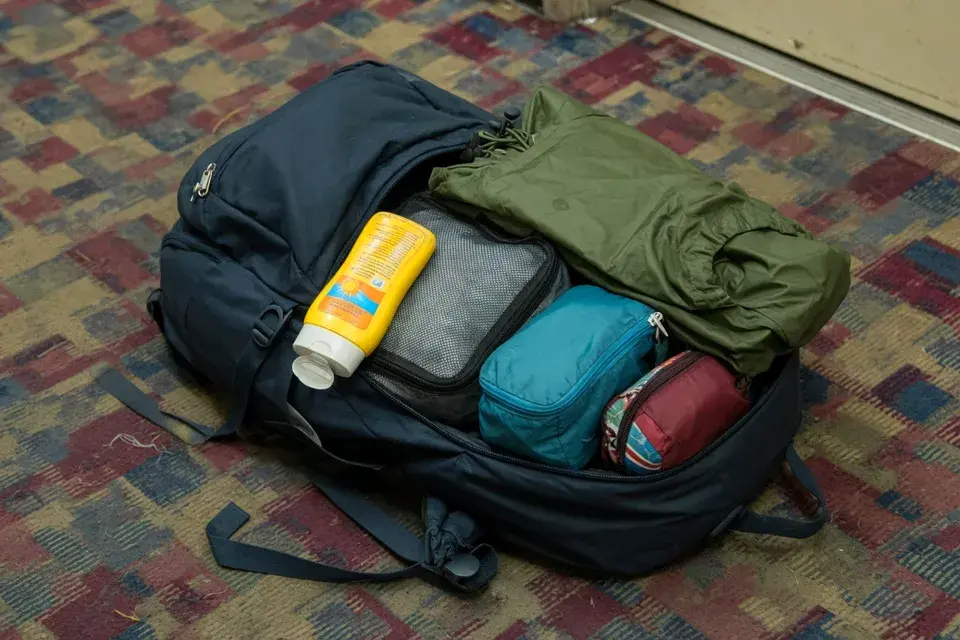
June weather is hot and properly humid: highs around 29-32°C, daily afternoon thunderstorms, very high UV. Pack lightweight breathable clothing, sun cream, a hat, a small foldable waterproof and a refillable water bottle.
Hydrate constantly. Heatstroke in Florida sneaks up on visitors fast.
Drinking in public is illegal everywhere except a few designated zones. Beer on the beach in South Beach will get you a fine.
The beach is yours. All Florida beaches are public up to the high-tide line. Hotels can rent you sun loungers but cannot block your access.
Watch for riptides. The Atlantic on the Miami Beach side has serious currents — swim near a lifeguard tower.
Cabs from the airport are flat-rate to zones in the city; ride-shares are cheaper but the airport pick-up area is awkwardly far from the terminal.
Mosquitoes are not too bad in central Miami but ferocious in the Everglades and Keys. Bring DEET.
Hurricane season technically begins June 1 but storms before August are very rare. Check the forecast if you are travelling in a particularly active year.
Spanish helps but is not essential. A "hola" and "gracias" at the cafetería window will get a much warmer reception than expecting English first.