Everything English fans need for Atlanta in 2026: Mercedes-Benz Stadium, MARTA, the heat, where to eat, where to drink, and how to handle a Georgia summer.
Last updated: May 2026
🎫
Matches hosted6 matches · group stage and knockout rounds
Nearest airportHartsfield-Jackson (ATL) · 25 min by MARTA Red Line
🌡️
June temperatures30 °C avg high · hot, humid; fierce afternoon thunderstorms
🚇
Stadium transitMARTA Red / Gold Line to GWCC / CNN Center (5 min walk)
⭐
Best forCivil rights history, Southern food, MLK National Historical Park
City at a Glance
Atlanta is the largest city in the American South, the unofficial capital of Black America, the birthplace of Coca-Cola, the home of CNN, and the city that hosted the 1996 Olympics. For the 2026 tournament it brings Mercedes-Benz Stadium to the table — a 71,000-seat retractable-roof venue sat right in the middle of downtown, walkable from the convention district and a short MARTA ride from much of the city. That central location is rare among American football stadiums and it is a big reason Atlanta is one of the more pub-friendly host cities for travelling English fans.
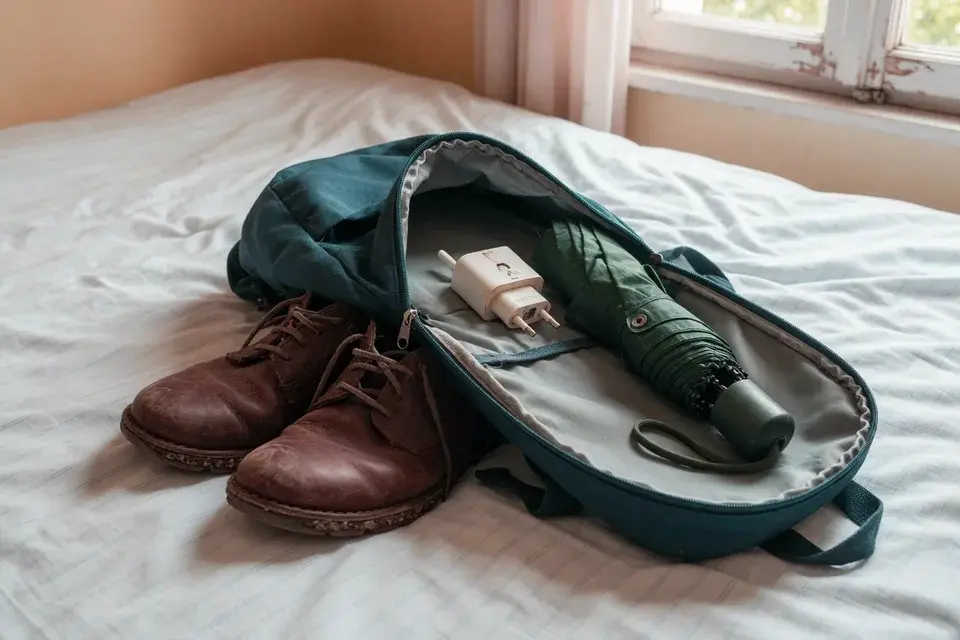
A word on the weather before anything else. June in Atlanta is hot, humid, and prone to fierce afternoon thunderstorms that arrive out of a clear blue sky and disappear forty minutes later. Average daytime temperatures sit around 30°C with humidity that makes it feel closer to 35. Bring light clothing, sun cream, and an umbrella or a packable waterproof. The roof on the stadium helps enormously, but you will still be outside walking to bars, restaurants, and your hotel.
Atlanta suits fans who want a proper city break alongside the football — good food, decent nightlife, museums you would happily spend a half-day in, and a downtown core compact enough that you do not need a car. It suits couples, mates on a lads' trip, and families with older children. It does not suit anyone hoping for a coastal beach holiday, and the heat will floor anyone unprepared for it.
The Stadium & Match Day
Mercedes-Benz Stadium opened in 2017, replacing the Georgia Dome which stood next door. It is home to the NFL's Atlanta Falcons and MLS's Atlanta United, and the latter regularly fills the place with 70,000-plus crowds — soccer is no novelty here. The retractable roof is the one fans will remember: eight petal-shaped panels that open in just over ten minutes and look like nothing else in world sport. For the 2026 tournament the playing surface will be natural grass laid over the existing artificial pitch, in line with FIFA's grass-only requirement for the tournament.
Getting there is straightforward by American standards. MARTA's Red and Gold lines stop at GWCC/CNN Center, a five-minute walk to the gates. A return MARTA ticket from most central hotels will cost a few dollars. Ride-share is widely available but expect surge pricing on match days — anywhere from $20 for a short hop to $60 or more from the airport. If you are driving, parking lots around the stadium range from $25 to $60 depending on how close you want to be, and they fill up early. Buses from the airport via MARTA Red Line take roughly 25 minutes and are by far the cheapest option.
Security follows the standard NFL clear-bag policy, which most major US venues use. You can bring a clear plastic bag no larger than 30 by 15 by 30 centimetres, plus a small clutch. Anything else, including normal backpacks, will be turned away at the gate. Empty refillable water bottles are typically permitted but check on the day. Inside, food and beer are not cheap — a domestic beer runs around $7 to $9 and a hot dog about $5, which is actually below the American norm. The Falcons famously cut concession prices in 2017 and have largely held the line since, so Atlanta is one of the better value stadiums in the US for a pint and a snack.
Arrive at least 90 minutes before kick-off. Security queues for major matches can be slow, and the surrounding plaza at Centennial Olympic Park is a pleasant place to wait, with the World of Coca-Cola, the Georgia Aquarium, and several bars within a five-minute walk. The College Football Hall of Fame, also next to the stadium, is worth a quick visit even if you have no interest in the sport — it is more about Americana than the game itself.
Where to Stay
Downtown / Centennial Park — The obvious choice for World Cup fans. Hotels like the Omni, the Embassy Suites, and the various Marriott properties put you within walking distance of the stadium, the major museums, and MARTA stations. Expect $250 to $450 per night during the tournament, with prices spiking on match days. Pros: walk to everything, lots of bars and restaurants nearby. Cons: downtown empties out at night outside of event periods and can feel quiet on non-match evenings.
Midtown — Two MARTA stops north of downtown, Midtown is more interesting after dark, with Piedmont Park, the High Museum of Art, and a denser concentration of decent restaurants and bars. Hotels around $200 to $350. Pros: better food and nightlife, leafier streets. Cons: ten to fifteen minutes on the train to the stadium, slightly less convenient on match day.
Buckhead — Atlanta's upmarket district, eight miles north of downtown but on the MARTA Red Line. Lenox Square mall, expensive restaurants, and the city's flashier hotels including the Whitley and the St. Regis. Expect $300 to $600 per night. Pros: smartest area, best high-end dining, safe and quiet. Cons: 20-plus minute MARTA ride to the stadium, not where the football crowd will gather.
Old Fourth Ward / Inman Park — Trendier, younger, and full of converted warehouses, the BeltLine trail, and independent restaurants. Hotels are scarcer but Airbnb stock is strong here. $150 to $300 a night for an apartment. Pros: real Atlanta character, walking distance to Krog Street Market and Ponce City Market. Cons: not on a direct MARTA line to the stadium — you will likely need to ride-share.
Getting Around
MARTA is Atlanta's underrated weapon. The system is small by London or New York standards — four lines arranged in a rough cross — but it covers the airport, downtown, Midtown, and Buckhead, which is most of where a visiting football fan wants to be. A single ride is around $3, an unlimited day pass about $9. Trains run roughly every ten minutes during the day and the airport line gets you from the terminal to downtown in 25 minutes for the price of a fizzy drink.
Where MARTA falls short, ride-share fills the gap. Uber and Lyft are everywhere and prices are reasonable outside surge times — a typical downtown-to-Buckhead trip is $15 to $25, and from Hartsfield-Jackson to downtown about $30 to $45 without surge. Hartsfield-Jackson is the busiest airport in the world by passenger numbers, so allow extra time for arrivals and pickups, and use the MARTA station inside the terminal rather than fighting for a cab if you can.
Walking around downtown and Midtown is perfectly practical, though the heat and the wide American streets can be punishing in the middle of the day. The Atlanta BeltLine, a 22-mile loop of former rail corridor being converted into a pedestrian and cycle path, is the city's pride and joy. The Eastside Trail section between Piedmont Park and Krog Street is the part to walk if you only do one. Hire a car only if you plan to drive to Stone Mountain or further afield — for the city itself it is more hassle than help.
Food & Drink
Mary Mac's Tea Room — The classic Atlanta Southern food experience, going since 1945. Fried chicken, collard greens, sweet potato soufflé, cornbread, and pot likker. Expect to pay $20 to $30 a head and to be addressed as "honey" by the staff. This is exactly the place to take someone who has never had proper Southern food before.
Busy Bee Cafe — A more authentic, less polished alternative on Atlanta's west side. The fried chicken is widely considered among the best in the country, the queues are real, and the dining room is a slice of unchanged Atlanta. About $15 to $20 a head. Cash and card both accepted now.
Staplehouse — When you want a proper sit-down meal with someone you are trying to impress. Tasting-menu Southern food in the Old Fourth Ward, regularly named among America's best restaurants. Around $150 a head with wine. Book weeks ahead.
Ponce City Market — A former Sears warehouse converted into a food hall and shopping centre alongside the BeltLine. Twenty-plus stalls covering Thai, Mexican, barbecue, sushi, ice cream, and proper coffee. A good lunch or low-commitment dinner spot where a group can all get what they want and meet at a table.
Brick Store Pub (Decatur) — A 20-minute MARTA ride east of downtown, Decatur is a small leafy town centre with one of the best beer bars in the United States. Brick Store has a Belgian-focused upstairs bar, hundreds of taps, and a proper pub feel that English fans will recognise. Pair it with a stroll round Decatur Square and dinner at The Iberian Pig next door.
Things to Do Beyond the Match
World of Coca-Cola — Touristy, slightly daft, and absolutely worth two hours. The tasting room at the end where you can sample Coke products from every continent is the highlight. Tickets around $20. Right next to the stadium.
Georgia Aquarium — The largest aquarium in the Western Hemisphere, with whale sharks, manta rays, and beluga whales. About $45 for an adult ticket. Excellent for anyone travelling with children and a genuinely impressive operation even if you are not.
Martin Luther King Jr. National Historical Park — Free, moving, and essential. King's birth home, the Ebenezer Baptist Church where he preached, and his crypt are all within a few blocks in the Sweet Auburn district. Allow two to three hours and read the panels properly.
High Museum of Art — Atlanta's flagship art museum in Midtown, with a strong American and folk-art collection and a Renzo Piano building that is a pleasure to walk around. About $20 entry.
Atlanta BeltLine Eastside Trail — Already mentioned, but worth saying again. Walk or hire a bike and ride from Piedmont Park to Krog Street Market, stopping for street art, breweries, and people-watching.
Centennial Olympic Park — The 1996 Olympics legacy site, with the Fountain of Rings, regular concerts, and the surrounding cluster of attractions. Free to wander. The park is also the main gathering point on match days.
Fox Theatre — A 1929 movie palace turned concert venue in Midtown, kept in spectacular condition. Worth a look from the outside even if nothing is on, and far better if you can catch a show.
Stone Mountain Park — Twenty miles east of the city, a giant granite dome you can walk up in about an hour for sweeping views. The park is family-friendly with cable cars, trains, and an evening laser show. Note that the Confederate carving on the north face is controversial and increasingly debated.
Hidden Gems
Manuel's Tavern — A neighbourhood pub in the Poncey-Highland area, going since 1956, packed with political memorabilia and Atlanta history. Cold beer, decent burgers, and a clientele that ranges from former mayors to plumbers. Feels like a local, because it is.
Sweet Auburn Curb Market — A century-old indoor market in downtown, easily missed because it sits in an unremarkable building. Inside you will find proper soul food counters, Bell Street Burritos, and grocers selling produce you cannot get back home. Best for a weekday lunch.
Krog Street Tunnel — A long graffiti-covered pedestrian and vehicle tunnel in Inman Park that locals treat as a permanent rotating street-art exhibit. Walk through, take photos, and emerge into Cabbagetown, one of Atlanta's oldest mill-worker neighbourhoods.
Trap Music Museum — A small, brilliantly chaotic museum in West Midtown dedicated to Atlanta's contribution to global hip-hop. About $30. Even if you are no fan of the music, the city's musical influence on the last 25 years is genuinely worth understanding while you are here.
Day Trips
Chattanooga, Tennessee — Two hours north by car. A river town that has reinvented itself around outdoor recreation, with the Tennessee Aquarium, Lookout Mountain, and Ruby Falls (an underground waterfall) the main draws. A solid full-day trip if you fancy a change of scene.
Athens, Georgia — Ninety minutes east by car. The University of Georgia town that produced R.E.M. and the B-52s, with a small, walkable centre full of music venues, bars, and decent restaurants. Half-day trip, very pleasant on a non-match evening if you have the time.
Savannah — A four-hour drive south or a 90-minute flight. The most beautiful city in the South, full of moss-draped squares, antebellum architecture, and proper coastal seafood. Better as a two-day side trip if your tournament schedule allows.
Sports Culture
Atlanta's professional teams are the Falcons (NFL), Hawks (NBA), Braves (MLB), and Atlanta United (MLS). The Braves play out at Truist Park in Cobb County, north-west of the city, and a baseball evening during the tournament is a genuinely good night out — tickets from $20, beer flowing, atmosphere relaxed. The MLS side, Atlanta United, regularly average crowds of over 40,000 at Mercedes-Benz Stadium, which is unusual in American soccer and tells you the city understands the game.
For watching other 2026 fixtures, the best concentration of sports bars sits around Centennial Park downtown — STATS Brewpub is the obvious anchor, with big screens, sensible beer, and tournament fixtures on every TV. In Midtown, the Imperial and the Highlander handle football crowds well. For something more English in feel, head to the Brick Store Pub in Decatur or to Fado Irish Pub in Buckhead, both of which will likely show the matches and have proper draft beer.
Atlantans take their sport seriously but soccer specifically is on a clear upward curve. Expect locals to be curious, friendly, and ready to chat about the game — particularly anyone wearing an Atlanta United shirt, of which you will see plenty.
Practical Tips for English Fans
Tipping is not optional. Fifteen percent is the minimum for restaurant service, twenty percent is normal, and ten percent or less marks you out as either rude or foreign. Bar staff get a dollar a drink.
Drinking age is 21 and ID is checked rigorously. Bring your passport every night out — a UK driving licence is often not accepted as proof of age.
Sales tax of around 8.9 percent is added to almost everything at the till, and is not shown on the menu or sticker price. Budget accordingly.
June heat is no joke. Drink water constantly, wear a hat, and use sun cream even on cloudy days. The humidity will catch out anyone who only knows British summers.
Afternoon thunderstorms are common and often intense. They usually pass within an hour. Build flexibility into outdoor plans and do not panic if the sky opens.
Open alcohol containers on the street are illegal across most of Atlanta. Drinking in public parks is also generally not permitted.
MARTA is safe and clean during the day and on event evenings, but use normal city sense late at night and stick to busy stations.
Cash is increasingly rare. Bring a contactless card with no foreign transaction fees — Monzo, Starling, Revolut, Chase, and Wise all work fine in the US.
Tax-free shopping does not exist in the US the way it does in the EU. What you see plus tax is what you pay.
Be aware of common downtown scams: people approaching with elaborate stories about needing money for a bus ticket, or selling fake event merchandise outside the stadium. Politely decline and walk on.
The "y'all" you hear is genuine and friendly, not a piss-take. Embrace it.
If anyone offers you sweet tea, accept once and form your own opinion. It is sweeter than you can imagine.